
★★★★★ on Google · Serving Anchorage, Eagle River, Girdwood & Wasilla
On most Anchorage complexes we walk, the story is the same: buildings added or re-roofed at different times, heat trace installed piecemeal over the years — different products, different ages, some sections dead and nobody sure which. Meanwhile ice builds over the entryways where the heat escapes, and the icicles hang exactly where residents walk.
A patchwork system fails a building at a time. Fixing it a building at a time keeps you in the same cycle. The fix that ends the cycle is standardization: one system, one standard, every power source accounted for, across the whole property.
Before we propose anything, we find out what you actually have. These systems get complicated precisely because they were never standardized — different products, different vintages, some sections live and some dead with no record of which. So we test what's already on your buildings, document what each section is actually doing, and give you the results in writing. Then we lay out every path forward we can find: what's worth keeping, what has to be replaced, what each option costs, and what each one asks of you afterward. The board picks from real options instead of taking one contractor's word for it.
"We had different systems in place across different buildings, and we wanted to bring everything into a matching system so that we could maintain it better moving forward." — Elena, HOA board member, Anchorage
The Eastridge HOA in Anchorage — 23 units across multiple buildings, built in the 80s, electrical systems retrofitted piecemeal over the decades — discovered during a gutter replacement that their existing heat trace was old, failing, and past saving. Winter was weeks away.
Replacing the mix of aging, mismatched heat-trace installs with a single system the HOA can maintain for the long haul, with options at multiple price points so the board could weigh the decision properly.
The part of the job the board told us other bids didn't convincingly address.
The system turns itself on when winter conditions call for it and off when they don't. No twice-a-year contractor visits to switch anything, no one on the board carrying the mental load.
The crew worked roughly three weeks straight of ten-hour days, two stories up, in wind and negative temperatures, to beat winter.
Including when a part went on back order, they knew the status without having to ask.
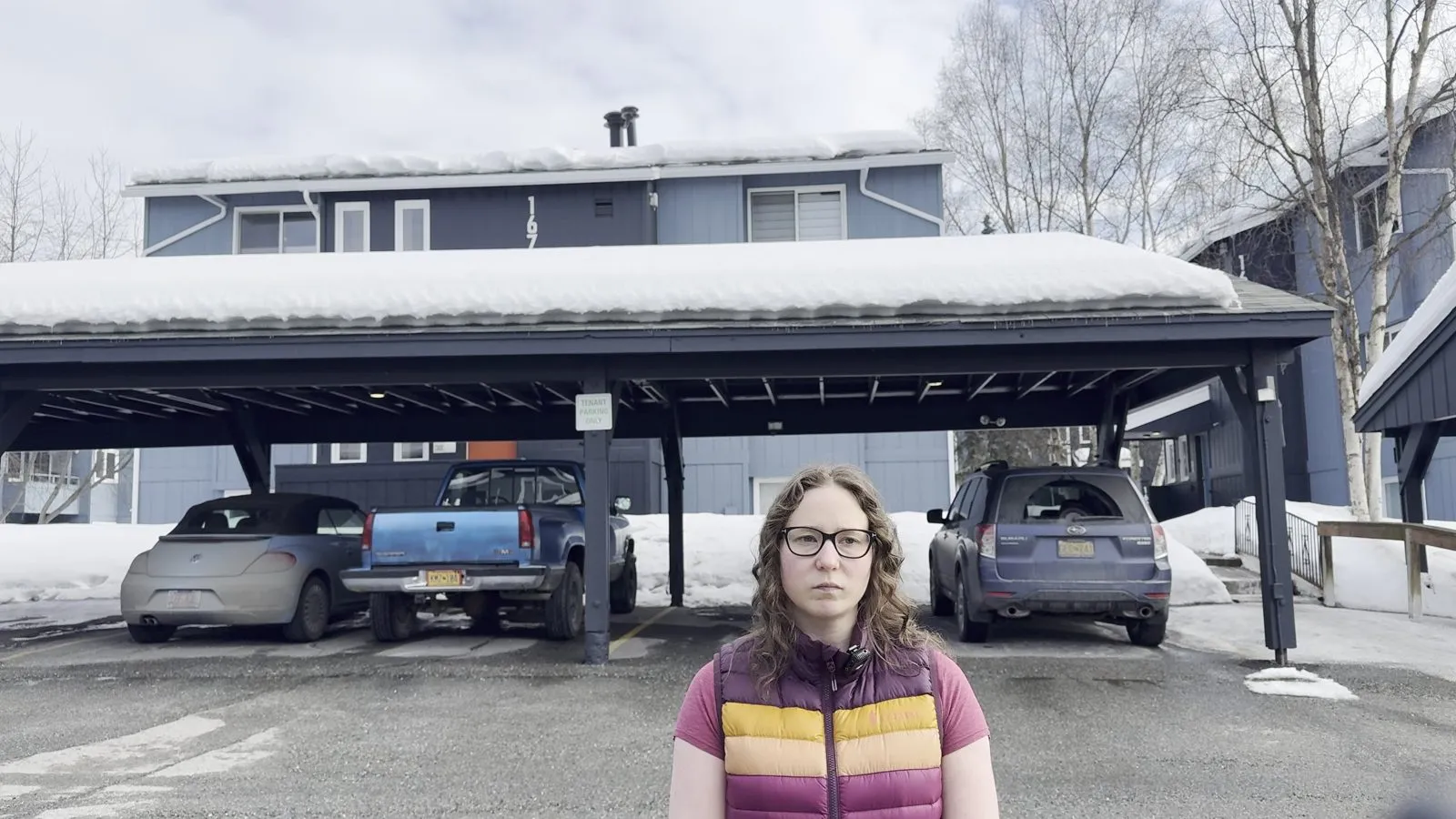 ▶ Watch — the board's story
"We ultimately went with Alaska Heat Cable because the detail in the quote was very specific and we didn't have worries that things were going to get missed — opposed to several other quotes that we got. We didn't feel like there was enough detail addressing our outdated electrical system."
"We all on the board were very impressed that employees were out working on the roofs... in negative weather, putting the system in."
"Even when parts were back-ordered... they were still letting us know what was going on and making sure that we knew they were still on top of our project."
First winter's verdict: less snow and ice at the eaves than any system the property had run before — and, in Elena's words, the kind of system nobody notices, "and if it was dangerous, they would be complaining."
The board chose a sensor-automated system over a cheaper manual one — deliberately. Their math: a manual system needs a contractor visit every fall to turn it on and every spring to turn it off, every year, indefinitely. The automated system runs itself.
That's the trade we'll always show you plainly: what each option costs now, what it costs over ten years, and what it asks of your board or your manager. You pick with the numbers in front of you.
What's inside our number. Working on multi-unit buildings, in winter, with crews on roofs is the expensive end of this trade to carry — the coverage that lets us do that work at all is one of the largest fixed costs in our pricing, well before a foot of cable is bought. A bid that undercuts ours substantially is usually leaving something out, and on a property you're responsible for, that gap is worth asking about in writing.
"We figured in the long run we might end up saving money not having to have someone physically come out and mess with the system... going with a little bit more expensive system up front was going to pay off in the long run." — Elena, HOA board member
Boards answer to homeowners; property managers answer to boards. Our proposals are built for that chain of accountability:
Where every run of cable goes, what happens at every power source, what's included and what isn't. Specific enough that nothing gets missed and nothing gets added mid-project.
With the tradeoffs of each stated plainly, so the board decides, not the contractor.
Older complexes with retrofitted electrical are our normal, not our exception. We diagnose capacity before we design, and licensed electricians install all electrical work.
Pre-install condition report, full photo record of the installation, testing results, and manufacturer warranty registration on the cable.
Heat cable, gutters where drainage needs them, ice-dam steaming in emergencies, snow retention where slides threaten walkways: one call, one company answerable to you.
Product depth — cable, attachment method, testing standards: see Heat Cable Installation.
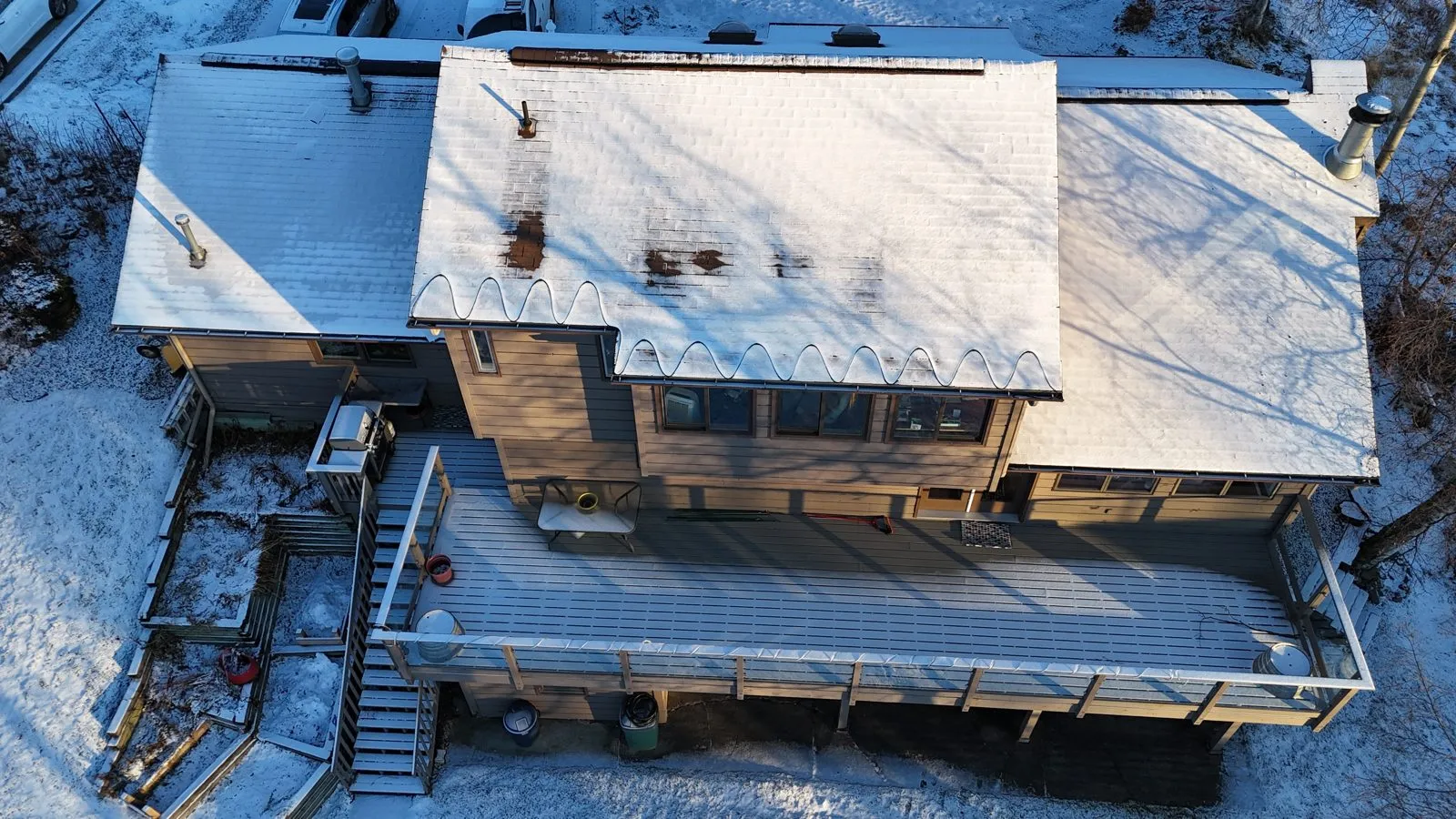
We walk the property with you or your manager, fly the drone, and map every roofline and power source.
Detailed scope with options at multiple price points; presented so it can be forwarded straight to the board.
We schedule around residents, coordinate the licensed electricians, and communicate status without being chased — including the bad news, early.
Year-round, including late-season pushes when winter is close. Our crew works the conditions Alaska actually delivers.
The documentation set, the warranty registration, and a walkthrough of how the system runs. Optional start-of-winter check to confirm everything's live before the season hits.
"I would definitely recommend that they get some sort of heat trace or heat cable — and I would suggest that they go with Alaska Heat Cable, because it's the best experience that we've had adding any sort of heat trace to our building. I give it two thumbs up." — Elena, HOA board member, Anchorage
Yes — that's the normal case. We schedule around entryways and parking, keep sites clean, and communicate through your manager so residents hear what they need to hear and nothing else.
It's our specialty. We diagnose your actual electrical capacity before designing anything, licensed electricians install all electrical work, and where power is genuinely limited we can build custom controllers that protect the full roof within the capacity you have — instead of telling you to pay for a service upgrade.
Yes. Sensor-driven controllers turn the system on and off with conditions — no fall and spring service calls, no one responsible for remembering. That's the configuration most boards choose once they see the ten-year math.
The case study above was exactly that: a failed system discovered weeks before winter, replaced across a 23-unit property in about three weeks of installation. We install year-round, and if ice is already forming we can steam it off while the permanent system goes in.
Look for the detail: does the bid say exactly where cable runs, how each power source is handled, what testing is done, and what documentation you receive? We recommend asking every bidder for that in writing — it's the fastest way to see what a lower number leaves out.
Site walk → drone survey → detailed options. No obligation.
★★★★★ on Google · Serving Anchorage, Eagle River, Girdwood & Wasilla